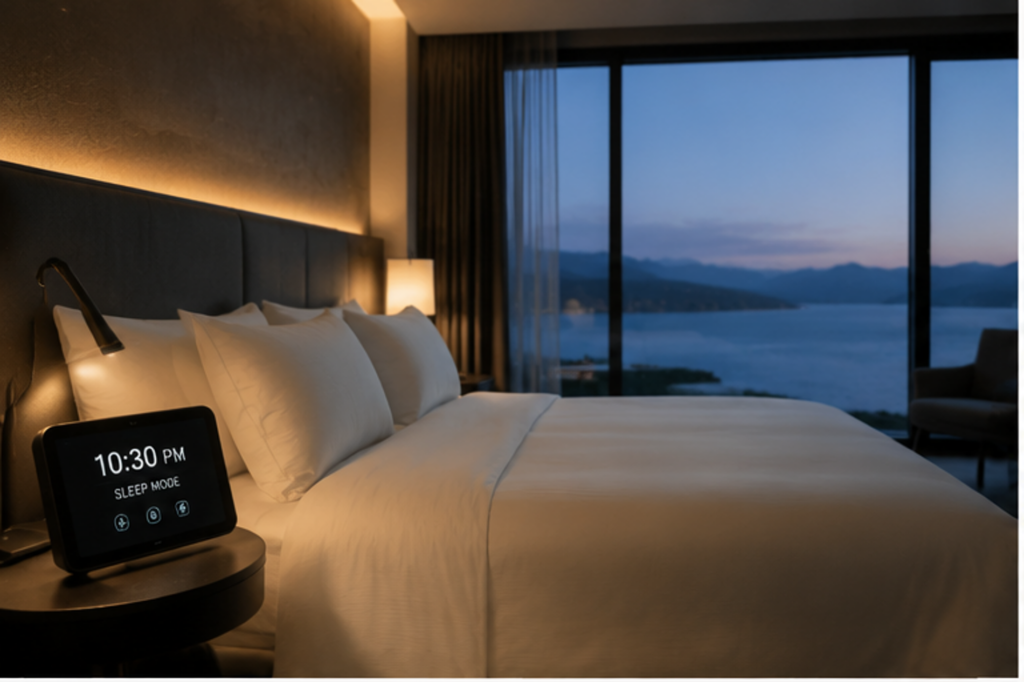
In 2026, a new form of wellness travel is rapidly reshaping how runners and adventure travelers plan their trips. Known as sleep tourism, this trend focuses on travel experiences designed to improve sleep quality, recovery, and overall performance.
For runners who push their bodies through long-distance training, trail running, marathons, and destination races, recovery is no longer optional. It has become a central part of performance. Sleep tourism offers structured environments where travelers can rest, reset, and optimize both physical and mental health while exploring new destinations.
This growing movement aligns closely with wellness-focused travel trends and complements other experiences like destination races and AI-powered travel planning for runners.
What Is Sleep Tourism?
Sleep tourism refers to travel experiences specifically designed to improve sleep quality. These trips often include specialized hotels, wellness resorts, and recovery retreats that focus on circadian rhythm balance, stress reduction, nutrition, and relaxation techniques.
Unlike traditional vacations that may lead to irregular sleep schedules, sleep tourism prioritizes restorative rest as the main goal of travel.
According to the Sleep Foundation, consistent high-quality sleep plays a critical role in physical recovery, cognitive performance, and immune system strength.
Why Sleep Tourism Is Trending Among Runners
1. Recovery Is Now Part of Training
Modern runners understand that progress does not only come from training harder but also from recovering smarter. Sleep is one of the most important factors in muscle repair, endurance building, and injury prevention.
Elite athletes have long prioritized sleep, but now everyday runners are adopting the same mindset. Recovery-focused travel allows runners to combine training with intentional rest.
This aligns with the performance mindset discussed in endurance sports and life lessons.
2. Travel Often Disrupts Sleep Patterns
Jet lag, new time zones, unfamiliar environments, and travel stress can significantly impact sleep quality. Runners traveling for races or training camps often struggle to maintain consistent rest.
Sleep tourism solves this problem by offering structured environments designed to stabilize circadian rhythms quickly and effectively.
Research from NIH highlights how disrupted sleep can reduce athletic performance, increase fatigue, and slow recovery.
3. Wellness Tourism Is Expanding Globally
The Global Wellness Institute reports strong continued growth in wellness tourism worldwide. Travelers are increasingly choosing experiences that support physical and mental well-being rather than just sightseeing.
This shift has made recovery retreats, meditation resorts, and sleep-focused hotels more popular than ever.
Learn more about wellness travel trends at the Global Wellness Institute.
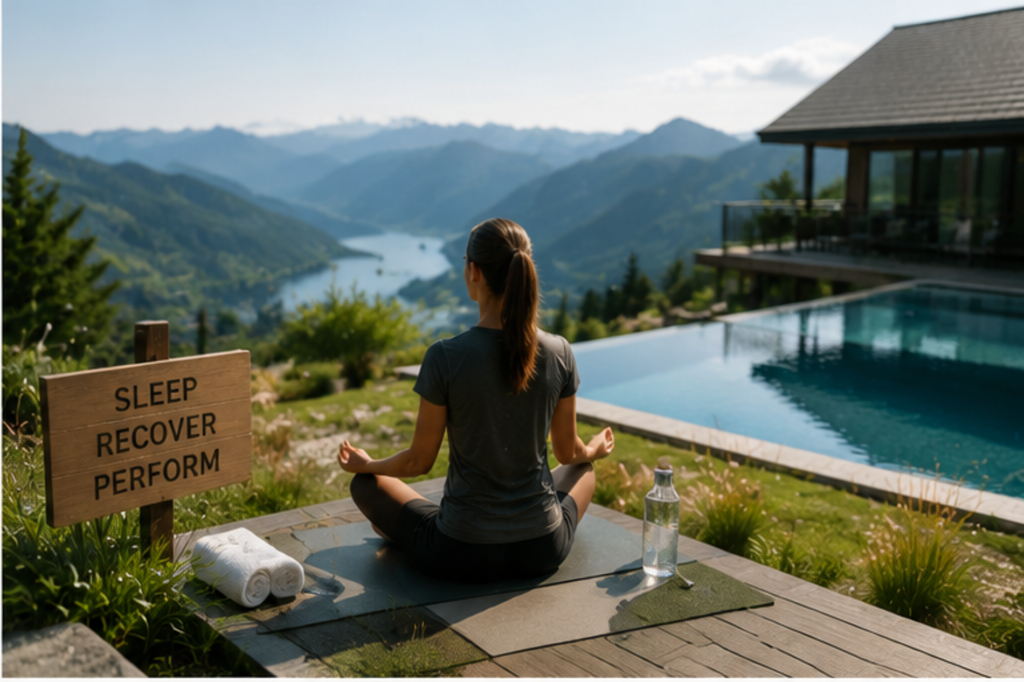
What Happens at a Sleep Tourism Retreat?
Sleep-focused travel experiences are carefully designed to optimize rest and recovery. While each retreat is different, most include a combination of the following:
- Sleep assessments and personalized sleep plans
- Light therapy to reset circadian rhythms
- Guided meditation and breathwork sessions
- Massage and physical recovery treatments
- Nutrition plans that support rest and muscle recovery
- Technology-free relaxation environments
Some advanced wellness resorts even use AI-driven sleep tracking systems to monitor rest quality and suggest improvements throughout the stay.
This growing integration of technology and wellness connects closely with trends discussed in AI in travel planning.
Best Types of Sleep Tourism Destinations
Mountain Recovery Retreats
High-altitude environments naturally promote deeper rest due to cleaner air, reduced distractions, and peaceful surroundings. Many runners choose mountain retreats for post-race recovery.
These destinations also pair well with light trail running and walking activities.
Coastal Wellness Resorts
Ocean environments are known for their calming effects. The sound of waves, fresh air, and slower pace of life help improve sleep quality naturally.
Coastal resorts are especially popular among runners recovering from intense training blocks or marathons.
Urban Sleep Hotels
Some cities now offer specialized sleep hotels designed for business travelers and athletes. These hotels feature soundproof rooms, sleep-optimized lighting, and advanced mattress systems.
These environments help travelers maintain recovery even in busy urban settings.
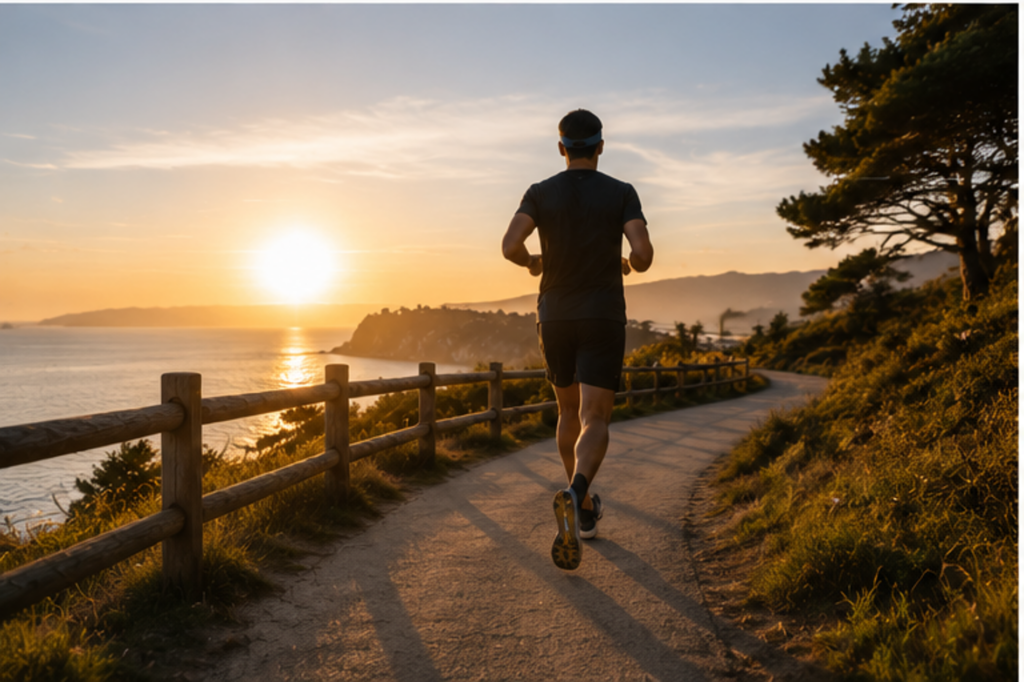
How Sleep Tourism Improves Running Performance
Sleep is directly linked to athletic performance. For runners, better sleep means:
- Faster muscle recovery
- Improved endurance
- Reduced injury risk
- Better mental focus during races
- More stable energy levels
Studies from Harvard Health confirm that sleep plays a critical role in athletic adaptation and physical recovery.
When combined with structured training and smart travel planning, sleep tourism can significantly enhance performance outcomes.
Who Should Try Sleep Tourism?
Sleep tourism is ideal for:
- Marathon and ultra-marathon runners
- Trail runners recovering from long-distance events
- Athletes dealing with burnout or overtraining
- Travelers experiencing frequent jet lag
- Wellness-focused adventurers seeking balance
Even casual runners benefit from improved recovery and reduced stress during travel.
Integrating Sleep Tourism Into Running Travel
Sleep tourism does not need to replace traditional travel. Instead, it can enhance it. Many runners now combine active travel with recovery-focused stays.
For example, a runner may compete in a destination race, spend a few days exploring, and then finish the trip at a recovery retreat to reset before returning home.
This balanced approach is similar to strategies discussed in destination race planning.
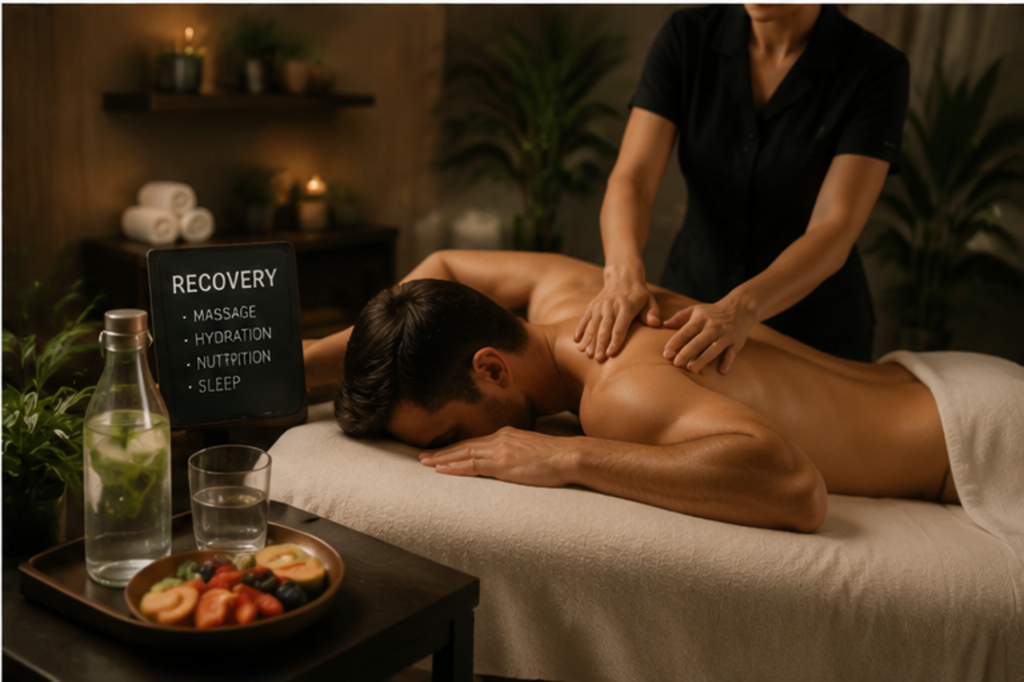
The Future of Recovery-Focused Travel
As wellness continues to shape the travel industry, sleep tourism is expected to grow even further. Hotels, resorts, and travel companies are increasingly designing experiences around rest, recovery, and performance optimization.
Technology will also play a major role, with wearable devices, sleep trackers, and AI systems offering real-time insights into recovery patterns.
This evolution reflects a broader shift in travel: from sightseeing to self-improvement.
For runners, this means future travel experiences will not only be about where you go—but how well you recover while you are there.
Final Thoughts
Sleep tourism is more than a wellness trend. It is a performance strategy, a recovery tool, and a new way to experience travel with intention.
For runners, it offers a powerful opportunity to combine adventure with recovery, ensuring that every journey supports both physical and mental growth.
As the demand for wellness-focused experiences continues to rise, sleep tourism is set to become one of the defining travel trends of 2026 and beyond.