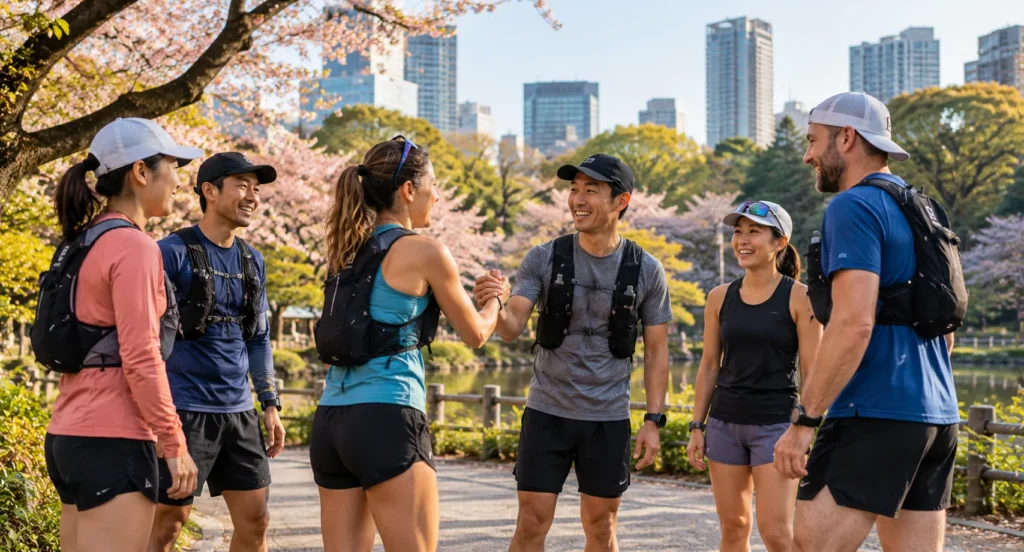
Travel is becoming more social, and running is helping people discover destinations in a completely different way. In 2026, a growing number of active travelers are exploring cities through local running communities rather than relying exclusively on sightseeing tours. This emerging approach is known as run club tourism.
Instead of running alone through unfamiliar streets, travelers can join local runners for early morning jogs, scenic waterfront routes, neighborhood adventures, and post-run coffee gatherings. These experiences combine fitness, exploration, and personal connections in ways that traditional tourism rarely offers.
For travelers who enjoy discovering new places through movement, run club tourism offers an accessible way to experience local culture while maintaining an active lifestyle.
What Is Run Club Tourism?
Run club tourism involves participating in local running groups while visiting another city, region, or country. Travelers join organized group runs, meet local athletes, and discover destinations through routes selected by people who know the area.
Unlike race tourism, which revolves around competing in marathons or other events, run club tourism places greater emphasis on community, shared experiences, and everyday exploration.
A traveler visiting a new city might join a five-kilometer morning run, discover an unfamiliar neighborhood, and finish at a café with local runners. Another visitor might participate in a weekend trail-running group and explore natural areas outside the usual tourist districts.
This trend builds on the growing popularity of run-cations and active travel experiences, where running becomes part of the vacation rather than an interruption to it.
Why Run Club Tourism Is Trending in 2026
Running Clubs Are Becoming Social Communities
Running clubs are increasingly serving as spaces where people develop friendships, find motivation, and build meaningful connections.
According to Strava’s 2025 Year in Sport report, new running clubs on its platform grew 3.5 times during 2025, while club-organized events increased by approximately 50%.
These findings demonstrate the growing importance of community within running culture. Running is no longer viewed solely as an individual fitness activity. For many people, it has become a way to connect with others.
Travelers Want More Authentic Experiences
Modern travelers increasingly seek experiences that allow them to understand how local communities live.
A running club can introduce visitors to neighborhood parks, waterfront paths, local businesses, and cultural landmarks that might otherwise go unnoticed.
Priceline’s travel trends research found that younger travelers were particularly interested in attending local running club events while vacationing. Its survey also identified growing interest in accommodations near parks and running trails.
The appeal is straightforward: travelers can explore a destination while doing something they already enjoy.
Travel Is Becoming More Community-Focused
Travel experiences built around shared interests can make unfamiliar destinations feel more welcoming.
Joining a running group offers an opportunity to meet people without requiring a formal tour or complicated activity schedule. Participants already share a common interest, making conversation and social interaction feel more natural.
For solo travelers, this can be particularly appealing.
How Run Clubs Change the Travel Experience
Discovering Hidden Neighborhoods
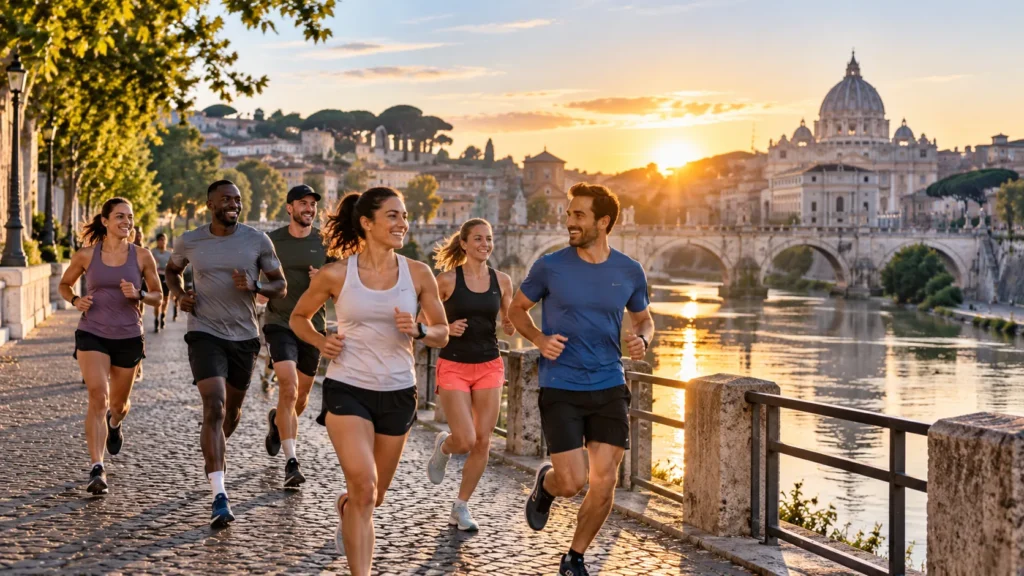
Local runners often know the best routes through their communities. They understand which paths are scenic, which neighborhoods are enjoyable to explore, and where to find pleasant running conditions.
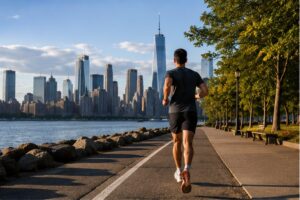
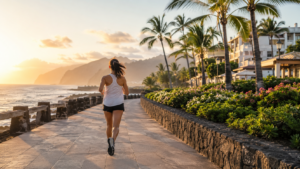
A guided group run might pass through historic streets, peaceful residential neighborhoods, public gardens, or waterfront promenades.
These experiences complement traditional sightseeing while offering a more personal perspective on a destination.
Meeting People Through Shared Interests
One of the biggest attractions of run club tourism is the opportunity to connect with people who share an interest in running and outdoor activities.
Travelers can exchange stories, learn about local running traditions, and receive recommendations for restaurants or attractions.
These conversations can become memorable parts of a trip. They also reflect the broader connection between running and meaningful travel experiences.
Making Exercise Part of the Adventure
Travel can disrupt established exercise routines, particularly during extended vacations.
Participating in a local running group provides a structured opportunity to remain active without sacrificing exploration.
The Centers for Disease Control and Prevention recommends regular physical activity for adults, with weekly activity targets varying according to age and individual circumstances.
Running during a vacation can be one enjoyable way to maintain movement while discovering new surroundings.
How to Find Running Clubs While Traveling
Finding a welcoming group does not need to be complicated. Several resources can help travelers research local running communities before departure.
Use Strava Clubs
Strava allows users to discover running communities, view club information, and connect with athletes who share similar interests.
Travelers can search for clubs near their destination and review posted activities or upcoming group events.
Before participating, confirm whether the group welcomes visitors and check its meeting location, schedule, distance, and expected pace.
Explore Local Running Organizations
National and regional running organizations can also help travelers find established communities.
In the United States, the Road Runners Club of America club directory lists member running clubs across different locations.
Similar national athletics organizations, specialty running stores, and local event organizers can be useful resources in other countries.
Consider Community Running Events
Travelers visiting destinations with established parkrun events may also find opportunities to participate in free community running activities.
parkrun organizes welcoming five-kilometer events in participating locations, where people can walk, jog, run, or volunteer.
Availability varies by country and location, so travelers should check official event details before planning a visit.
Best Destinations for Run Club Tourism
Many major cities offer environments suitable for social running, although individual club schedules and visitor policies should always be checked.
London, United Kingdom
London offers extensive parks, riverside routes, and established running communities. Travelers can explore areas around the River Thames, Hyde Park, and other public spaces while connecting with local runners.
Tokyo, Japan
Tokyo combines modern urban scenery with parks, carefully maintained streets, and a strong running culture. Visitors interested in social running can research groups that welcome international participants.
New York City, United States
New York offers well-known running areas including Central Park and waterfront paths. Its large running community provides opportunities to discover different neighborhoods through organized group activities.
Singapore
Singapore’s urban parks, waterfront promenades, and connected green spaces create interesting opportunities for runners. The tropical climate makes checking temperature, humidity, and event timing especially important.
These destinations illustrate how running can connect visitors with local communities, but the best choice ultimately depends on individual preferences and available groups.
Tips for Joining a Running Club Abroad
Choose a Suitable Pace
Running groups vary considerably in speed, distance, and difficulty.
Some organize relaxed social jogs, while others focus on intervals, marathon preparation, or demanding trail routes.
Travelers should select an activity that matches their fitness and experience. Our guide on training smarter for different running distances explains why appropriate training intensity matters.
Contact Organizers Beforehand
A short message can help clarify whether visitors are welcome, whether registration is necessary, and what participants should bring.
Ask about meeting points, group pace, route length, bag storage, water availability, and any participation fees.
Respect Local Running Etiquette
Running clubs often have their own customs and expectations. Arrive on time, follow route instructions, respect pedestrians, and remain considerate of other participants.
When taking photographs, ask permission before including other runners in social media posts.
Prepare for Local Conditions
Temperature, humidity, elevation, traffic patterns, and trail surfaces can affect the difficulty of a run.
Carry appropriate hydration, wear suitable footwear, and avoid treating every travel run as a hard workout.
These considerations are also important when planning soft adventure travel experiences.
Can Beginners Enjoy Run Club Tourism?
Absolutely. Many running communities welcome beginners, walkers, and people returning to regular exercise.
However, not every group offers beginner-friendly sessions. Travelers should look for descriptions such as social pace, conversational running, beginner groups, or run-walk options.
The goal is not necessarily to achieve a personal record. It is to enjoy movement while experiencing a destination alongside other people.
For travelers who feel uncertain about joining an unfamiliar group, contacting organizers before arriving can make the experience more comfortable.
Combining Run Club Tourism With Wellness Travel
Social running also works naturally with wellness-focused vacations.
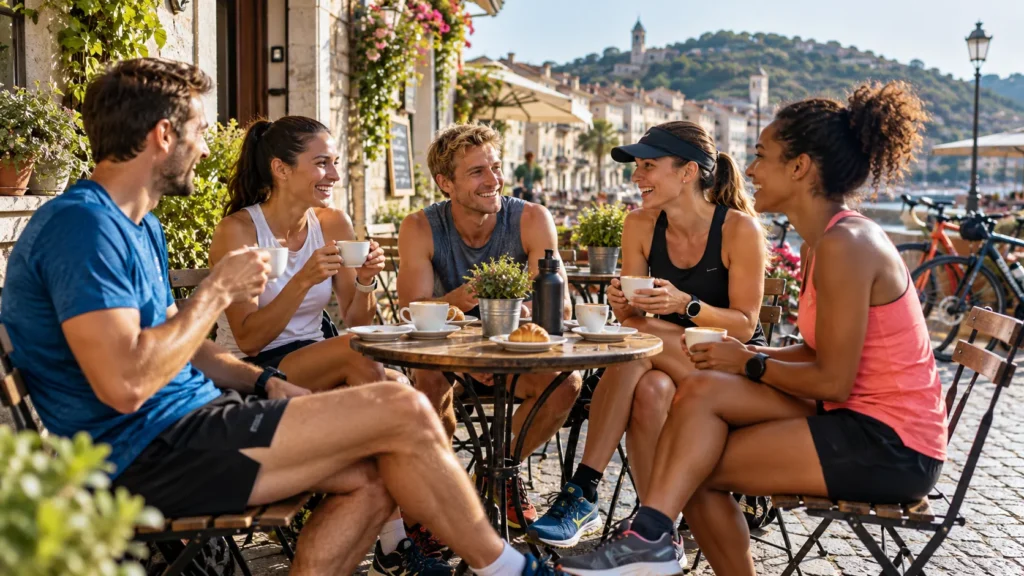
A traveler might join an easy morning group run, enjoy breakfast at a neighborhood café, explore local attractions, and spend the afternoon resting.
This balanced approach complements urban recovery travel for runners, which combines city exploration with opportunities for rest and wellness.
Not every vacation needs to include demanding training sessions. Some of the most rewarding active trips emphasize social connection, manageable exercise, and recovery.
How Run Club Tourism Can Support Local Communities
Participating in neighborhood running events can also encourage travelers to support local businesses.
Many running communities gather at cafés, restaurants, or independently owned shops after their sessions. Visitors who spend time in these places can contribute to the surrounding local economy.
Travelers should participate respectfully, avoid disrupting residential neighborhoods, and follow local environmental guidelines.
Our article on sustainable travel and responsible exploration offers additional ideas for making thoughtful choices during a trip.
The Future of Run Club Tourism
As running communities continue attracting participants, social running could become an increasingly important part of active travel.
Hotels, local running stores, community organizations, and independent tour operators may find opportunities to introduce visitors to welcoming running experiences.
The broader growth of outdoor participation supports this interest. The Outdoor Industry Association’s 2026 Running Report highlights continued growth in road and trail running participation, including increasing interest among casual runners.
However, run club tourism does not need to become a highly commercialized experience to succeed. Its strongest appeal may remain the simple opportunity to meet people, share a route, and enjoy a destination together.
Final Thoughts
Run club tourism in 2026 reflects a meaningful shift in how travelers combine fitness, exploration, and social connection.
Instead of simply visiting a destination, runners can become temporary participants in its local community. A morning jog can introduce new neighborhoods, friendly conversations, cultural experiences, and unexpected discoveries.
Whether joining a relaxed city run, a community five-kilometer event, or a scenic trail-running group, travelers can find opportunities to turn everyday exercise into a memorable travel experience.
For those who love running and discovering new places, sometimes the best way to understand a destination is to experience it one stride at a time, alongside the people who call it home.