Travel is becoming more active, more personalized, and increasingly focused on recovery. For runners, this shift is creating a new travel concept known as urban recovery travel. Instead of choosing between a city vacation and a wellness retreat, runners can combine both into one experience.
Urban recovery travel for runners focuses on destinations where running routes, wellness facilities, healthy dining, walkable neighborhoods, parks, spas, and comfortable accommodations exist within the same trip. The result is a travel experience that allows runners to explore a city while also making room for rest and recovery.
This trend fits naturally into the growing connection between running and tourism. Run Travel Grow has already explored the rise of run-cations, while current wellness tourism research identifies urban recovery travel as one of the notable trends shaping 2026. The Global Wellness Institute describes urban recovery travel as a growing response to travelers seeking restoration without leaving urban environments.
What Is Urban Recovery Travel?
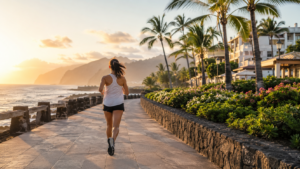
Urban recovery travel combines city exploration with intentional recovery. A runner might spend the morning on a scenic city route, enjoy a nutritious breakfast, visit a wellness facility, explore a cultural attraction, and finish the day with an early evening focused on rest.
The concept differs from a traditional running vacation because recovery is part of the itinerary rather than something added afterward. The goal is to create a balanced trip that includes movement, exploration, relaxation, and quality downtime.
This approach also complements the broader growth of active tourism. Recent travel coverage has highlighted the increasing popularity of running holidays and active getaways, with travelers choosing destinations specifically because they offer opportunities to run and explore. Euronews recently reported on the growth of running holidays as an active travel trend.
Why Urban Recovery Travel Is Trending in 2026
Modern travelers are increasingly looking for experiences that support both physical activity and well-being. Traditional sightseeing still has a place in travel, but many people now want vacations that fit their lifestyle rather than interrupt it.
For runners, that means finding destinations where maintaining a training routine does not require sacrificing the enjoyment of a city.
The Global Wellness Institute’s 2026 wellness tourism research points toward travelers seeking restorative experiences closer to urban centers. This makes cities particularly interesting for runners who want access to both active routes and recovery amenities.
City Running Meets Recovery
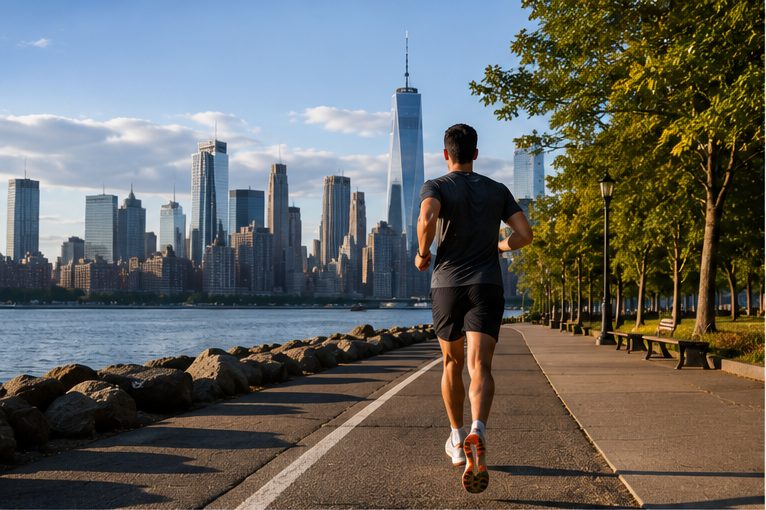
One of the biggest advantages of urban recovery travel is convenience. A city may provide running paths, public parks, waterfront routes, gyms, spas, restaurants, hotels, and cultural attractions within a relatively compact area.
A runner can start the morning with an easy five-mile run through a park before spending the afternoon exploring museums or local neighborhoods. The evening can then focus on recovery rather than another demanding activity.
Route-planning platforms can make this easier. Strava provides tools for discovering running routes and tracking activities, while AllTrails offers route information for runners and outdoor travelers exploring parks and trails.
What Makes a City Good for Runner Recovery?
Not every urban destination offers the same experience. Runners planning an urban recovery trip may want to look beyond famous landmarks and consider the overall environment.
Accessible Running Routes
A good running destination should provide convenient places to run without requiring complicated transportation. Waterfront paths, large parks, pedestrian areas, and dedicated trails can make morning training easier.
Runners may also want to review route surfaces, elevation, traffic patterns, and available lighting before choosing a route.
Recovery Facilities
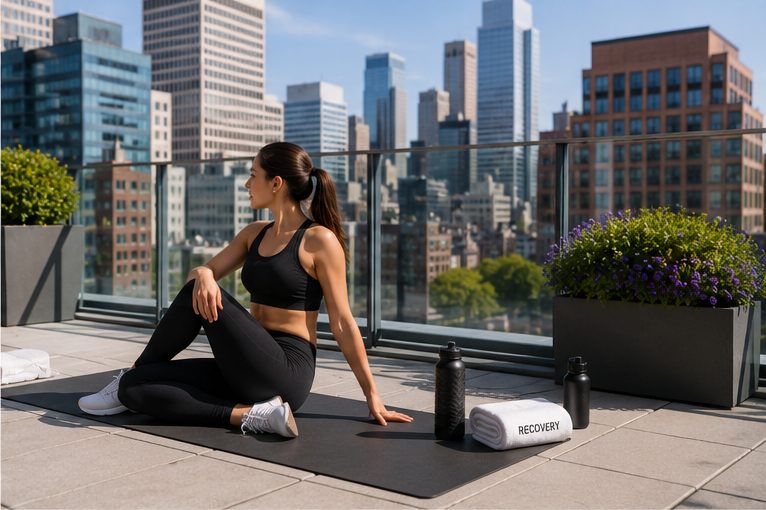
Recovery facilities can add another dimension to an active city trip. Depending on the destination, travelers may find massage services, fitness centers, saunas, pools, yoga studios, mobility classes, and wellness centers.
The objective is not to fill every hour with treatments. Instead, recovery facilities provide options for relaxing after a run or a long day of sightseeing.
Walkable Neighborhoods
Walkability can be particularly useful for runners. A walkable city allows travelers to explore without relying on a car or spending long periods sitting in transportation.
Walking also provides low-intensity movement between more demanding activities. A runner can visit restaurants, markets, parks, and cultural attractions while naturally staying active.
Healthy Food Options
Nutrition is another important part of recovery travel. Cities with diverse dining options make it easier to find meals that fit different training and recovery needs.
Travelers can look for restaurants offering balanced meals with carbohydrates, protein, fruits, vegetables, and adequate hydration options. Local food can also become part of the adventure instead of treating nutrition as a separate task.
Urban Recovery Travel After a Race
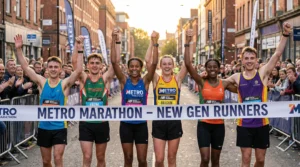
Urban recovery travel can be especially appealing around destination races. A runner might arrive several days before an event, participate in a marathon or half marathon, and then remain in the city for several additional days.
Instead of immediately returning home after the finish line, the post-race portion of the trip can focus on low-intensity exploration and recovery.
This idea builds on the destination-race movement discussed in our look at the latest marathon trends around the world. Major races increasingly function as travel experiences, bringing runners into cities where the event becomes only one part of a larger trip.
A Sample Urban Recovery Day for Runners
A recovery-focused city itinerary does not need to be complicated. A typical day could begin with an easy morning run before the busiest hours of the day.
After the run, breakfast and hydration provide an opportunity to refuel. The late morning could include relaxed sightseeing, followed by lunch and a period of downtime at the hotel.
An afternoon walk through a park or cultural district keeps the day active without turning it into another training session. Later, a mobility class, massage, sauna, or quiet wellness experience could provide another recovery opportunity.
The evening can remain deliberately simple. A relaxed dinner followed by adequate sleep may be more valuable than attempting to visit every attraction in the city.
Urban Recovery Travel and Mountaineering
The concept also works for travelers who combine running with mountain adventures. A city can serve as a recovery base before or after a more demanding outdoor experience.
For example, travelers may spend several days in an urban destination before heading into the mountains. This gives them an opportunity to organize equipment, adjust to the environment, and complete easier runs before beginning a more demanding adventure.
Runners interested in combining endurance and mountain travel can also explore Run Travel Grow’s beginner’s guide to mountaineering for information about preparation, gear, and mountain safety.
Technology Is Supporting Recovery Travel
Wearable technology is making it easier for travelers to monitor their activity while away from home. Smartwatches and fitness platforms can track running distance, heart rate, sleep, and other metrics.
Technology can help travelers understand when they are accumulating more activity than expected during a busy vacation.
This trend also connects with the growing role of artificial intelligence in travel. Our article on AI travel planning for runners explores how personalized technology is changing the way active travelers organize trips.
However, technology works best as a source of information rather than a replacement for personal judgment. A travel schedule should still leave room for fatigue, weather changes, unexpected opportunities, and simple rest.
How to Plan an Urban Recovery Trip
Start With Your Running Goal
Decide whether the trip centers on training, a race, sightseeing, or general fitness. This determines how much running belongs in the itinerary.
Research Routes Before Arrival
Look for parks, waterfront paths, trails, and pedestrian areas near your accommodation. Knowing your options before arrival reduces planning stress.
Choose Recovery-Friendly Accommodation
Consider hotels with quiet rooms, fitness facilities, pools, wellness services, or easy access to green spaces. Location can matter as much as amenities.
Leave Unscheduled Time
One of the biggest mistakes active travelers make is planning every hour. Recovery travel works better when the schedule includes genuine downtime.
Consider the Local Environment
Weather, air quality, elevation, traffic, and terrain can affect a running experience. Checking local conditions before heading outside can help travelers adjust their plans.
The Centers for Disease Control and Prevention provides general information about physical activity and health that can help travelers maintain an appropriate approach to movement during a trip.

Urban Recovery Travel Is About Balance
The appeal of urban recovery travel comes from balance. Runners do not need to choose between an active vacation and a relaxing vacation.
A city can provide both.
You can run through a historic neighborhood in the morning, enjoy local food at lunch, visit a cultural attraction in the afternoon, and spend the evening recovering. The experience becomes less about completing a checklist and more about creating a sustainable rhythm.
This philosophy also connects with the broader idea behind Run Travel Grow. Running becomes a way to experience a destination, while travel creates opportunities for personal growth and new perspectives.
The Future of Urban Recovery Travel
Urban recovery travel appears positioned to become an important part of the broader active and wellness tourism landscape. Current 2026 travel research points toward experiences centered on wellness, nature, recovery, and meaningful activities. OECD tourism research also highlights growing traveler interest in outdoor recreation, wellness, slower travel, and meaningful destination experiences.
For runners, this creates an interesting opportunity. Cities are no longer simply places to race or sightsee. They can become complete environments for training, recovery, exploration, and personal growth.
Final Thoughts
Urban recovery travel for runners brings together two travel priorities that once seemed separate: staying active and slowing down.
The best trips may not involve the most miles or the most attractions. They may involve finding a comfortable rhythm that allows you to run, explore, eat well, rest, and experience a destination at your own pace.
As wellness and active tourism continue evolving in 2026, urban recovery travel offers runners another way to turn a vacation into a meaningful part of their running journey.