
Adventure travel is changing. For years, adventure vacations were associated with demanding expeditions, remote campsites, technical climbs, and physically intense itineraries. In 2026, however, more travelers are discovering that adventure does not have to mean discomfort.
A new style of travel is gaining momentum: soft adventure. It combines outdoor activity and exploration with comfortable accommodations, quality food, convenient logistics, and time to relax. For runners, this creates an exciting way to experience new destinations without turning every day of a vacation into a maximum-effort training session.
The Adventure Travel Trade Association’s 2026 industry research identifies soft adventure, customized trips, wellness, and experiences that connect travelers with destinations as important parts of the current adventure travel landscape.
What Is Soft Adventure Travel?
Soft adventure travel focuses on accessible outdoor experiences rather than extreme challenges. Activities can include scenic running, hiking, cycling, kayaking, paddleboarding, wildlife viewing, and cultural exploration.
The difference is often the overall pace and level of comfort. Instead of spending several days carrying heavy equipment through difficult terrain, a traveler might stay at a comfortable mountain lodge and take a guided trail run during the day. Rather than camping in a remote location, an active traveler might return to a boutique hotel with a comfortable bed, good food, and wellness facilities.
National Geographic recently highlighted the return of soft adventure travel, describing the growing appeal of pairing exploration with comfort.
Why Soft Adventure Is Trending in 2026
Travelers are increasingly looking for experiences that offer a sense of adventure without requiring them to sacrifice comfort. This shift is particularly relevant to runners, who already place physical demands on their bodies through regular training.
The Global Wellness Institute’s 2026 wellness tourism research also points toward a growing interest in recovery, cooler destinations, nature, privacy, and restorative travel experiences.
At the same time, travelers are becoming more interested in meaningful experiences rather than simply collecting destinations. The result is a travel style that allows people to be active while still leaving room to slow down.

Why Runners Are a Natural Fit for Soft Adventure
Running already provides a low-cost way to explore unfamiliar places. A morning run can take travelers through neighborhoods, beaches, forests, parks, mountain paths, and waterfronts that may not appear on a traditional sightseeing itinerary.
Soft adventure simply expands that idea. A runner can combine a scenic run with a comfortable hotel, a relaxed lunch, a local cultural experience, and an afternoon of recovery.
This approach builds naturally on the growing popularity of run-cations, where running becomes a central part of the travel experience.
Soft Adventure Versus Extreme Adventure
Extreme adventure remains popular, but it is not the only way to experience the outdoors. Soft adventure provides a middle ground between traditional sightseeing and highly demanding expeditions.
A runner might choose a six-mile trail through a scenic forest rather than a technical mountain ascent. Another traveler might spend the morning kayaking on a calm lake and the afternoon exploring a nearby town.
The goal is still discovery. The difference is that the experience is designed around enjoyment, accessibility, and balance rather than difficulty alone.
Running Is Becoming Part of the Destination
One reason soft adventure works particularly well for runners is that running can be incorporated into almost any destination.
A coastal resort can offer beachside running routes. A mountain town can provide forest trails and elevation training. A historic city can become a running tour through neighborhoods and landmarks.
This is one reason destination races and running holidays continue attracting travelers. Our guide to marathon trends around the world explores how races have increasingly become opportunities for cultural exploration, adventure, and travel.
Comfort Does Not Mean Less Adventure
One misconception about soft adventure is that comfort somehow makes an experience less authentic. In reality, comfortable travel can allow people to participate in outdoor activities more consistently.
After a morning trail run, having access to a comfortable room, nutritious food, and a place to recover can make it easier to enjoy another activity the following day.
For runners traveling during a training cycle, this balance can be particularly useful. A demanding trip does not necessarily need to leave them exhausted for the remainder of their vacation.
The Rise of Small-Group Adventure
Soft adventure is also compatible with smaller travel groups. Instead of joining a large tour with a rigid schedule, travelers can participate in guided experiences designed around specific interests.
A small group might spend a morning running a scenic trail, stop at a local café, and then visit a cultural attraction. Another group might combine hiking with kayaking or cycling.
The Adventure Travel Trade Association has tracked continued interest in customized and specialist-guided experiences, while new experiences and off-the-beaten-path exploration remain important motivations for adventure travelers.
Best Soft Adventure Activities for Runners
Scenic Trail Running
Trail running is one of the easiest ways for runners to enter the soft adventure category. Routes can range from gentle forest paths to more challenging mountain trails.
Travelers should choose terrain appropriate to their experience and check local trail conditions before setting out.
Coastal Running
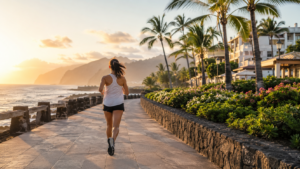
Coastal destinations combine exercise with spectacular scenery. A morning run beside the ocean can become one of the most memorable parts of a trip.
Runners should still research tides, weather, trail surfaces, and local conditions before choosing a route.
Running and Hiking Combinations
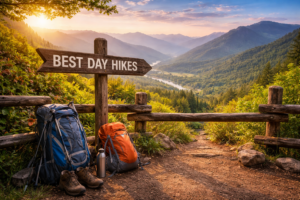
Not every traveler wants to run every day. Alternating running with hiking creates a more varied itinerary and gives the body a chance to recover between harder sessions.
Travelers interested in mountain experiences can also review our beginner’s guide to mountaineering for information about preparation, equipment, and safety.
Kayaking and Paddleboarding
Water activities can complement running by introducing a different type of movement and a new way to see a destination.
A runner might complete an easy morning run before spending the afternoon paddling on a calm lake or coastal waterway.
Wellness Is Becoming Part of Adventure Travel
The modern adventure traveler increasingly wants recovery to be part of the experience. A trip can include outdoor activities while also making room for sleep, nutritious meals, stretching, massage, sauna sessions, or quiet time.
This connects closely with the rise of sleep tourism and recovery retreats for runners. Instead of treating recovery as something that happens after the adventure, travelers can build it directly into their itinerary.
The Global Wellness Institute’s 2026 trends include urban recovery travel, demand for cooler climates, deep rest, and experiences focused on nervous-system recovery, demonstrating how closely wellness and travel are becoming connected.
How to Plan a Soft Adventure Running Trip
Choose the Right Destination
Start with the experience you want rather than simply selecting a famous destination. Look for places with accessible trails, scenic roads, parks, outdoor activities, and comfortable accommodations.
Research Your Running Routes
Study terrain, elevation, weather, road crossings, trail conditions, and local regulations before traveling. Route-planning platforms can help, but runners should always verify current conditions locally.
Build Recovery Into the Schedule
A soft adventure itinerary should not require constant activity. Leave enough time between workouts for meals, sleep, sightseeing, and recovery.
Choose Comfortable Accommodation
Accommodation can make a major difference. Look for properties with convenient access to running routes and amenities that support relaxation after an active day.
Respect the Environment
Adventure travel should leave destinations in good condition for future visitors. The Leave No Trace principles provide practical guidance for reducing environmental impact, including planning ahead, staying on durable surfaces, disposing of waste properly, and respecting wildlife.
The National Park Service hiking safety guidance also recommends checking weather conditions, knowing your limits, preparing an itinerary, and staying on designated trails.
Soft Adventure Can Support Sustainable Travel
Another reason this trend is gaining attention is its potential connection to responsible tourism. Smaller-scale outdoor experiences can encourage travelers to spend more time in local communities rather than rushing through multiple destinations.
Runners can support local businesses by staying at locally owned accommodations, eating at neighborhood restaurants, hiring local guides, and respecting community spaces.
This approach complements the principles explored in our article about sustainable travel.

Technology Makes Soft Adventure Easier
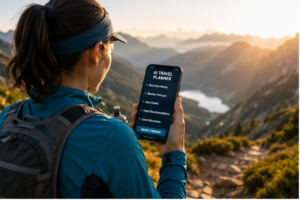
Technology is also helping travelers plan these experiences. GPS watches, route-planning applications, weather services, and AI travel tools can make it easier to find activities that match a runner’s ability and preferences.
Our article on AI-powered adventure travel planning explores how artificial intelligence is changing the way runners research routes, destinations, and personalized itineraries.
However, technology should supplement preparation rather than replace it. Remote trails can have limited connectivity, and conditions can change quickly. A downloaded map, appropriate equipment, and local knowledge remain valuable.
The Future of Soft Adventure for Runners
Soft adventure is likely to remain an important part of travel as people look for experiences that combine movement, nature, wellness, and comfort.
For runners, the trend creates almost unlimited possibilities. A trip can include a scenic run at sunrise, a local breakfast, an afternoon hike, a cultural experience, and an evening spent recovering at a comfortable hotel.
It does not have to be extreme to be memorable.
The growing popularity of soft adventure suggests that travelers are redefining what adventure means. The emphasis is shifting from proving how much discomfort someone can tolerate toward creating experiences that are active, meaningful, and enjoyable.
Final Thoughts
Soft adventure travel offers runners a different way to see the world. It combines the excitement of outdoor exploration with the comfort and flexibility of a well-planned vacation.
For runners, that could mean exploring a mountain trail without committing to a technical climb, discovering a coastline on foot, kayaking after a morning run, or spending a few days in a destination where movement and relaxation naturally fit together.
As active travel and wellness continue to evolve in 2026, soft adventure provides a compelling reminder that adventure does not always have to push you to your absolute limit. Sometimes, the best journey is the one that challenges you just enough to discover something new while leaving you with enough energy to enjoy the journey.