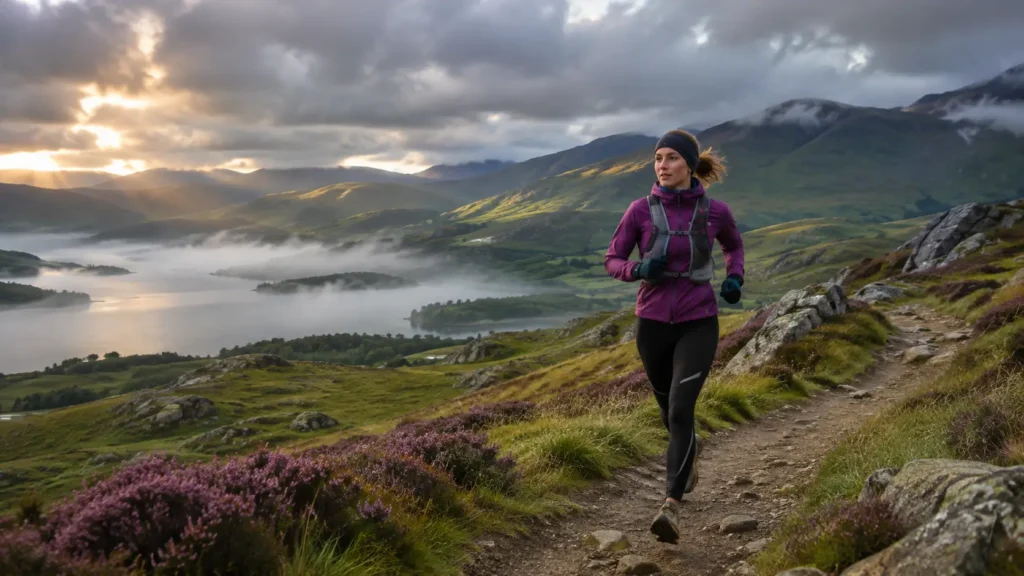
Imagine waking up in a mountain village, stepping outside into crisp morning air, and beginning your run beside a peaceful lake. Instead of battling intense sunshine and crowded streets, you follow a scenic trail surrounded by forests, mountains, and open landscapes.
For runners who love combining fitness with adventure, this is the appeal of coolcation running. In 2026, travelers are increasingly considering cooler destinations and alternative travel seasons to escape uncomfortable summer heat. The movement is part of the broader coolcation trend, which prioritizes destinations with milder temperatures and opportunities for outdoor exploration.
Whether planning a running vacation in northern Europe, exploring mountain trails in Canada, or visiting New Zealand during its shoulder seasons, travelers are discovering that a memorable adventure does not require tropical weather.
What Is Coolcation Running?
Coolcation running combines cooler-climate travel with running-focused activities. The concept involves choosing destinations, seasons, and environments where outdoor exercise may be more comfortable than in traditionally hot vacation spots.
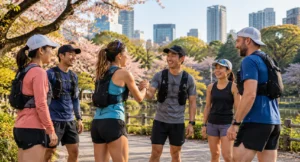
A coolcation running trip could include lakeside jogging, scenic trail runs, forest exploration, local races, or visits to mountain communities.
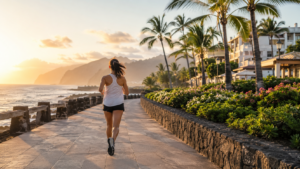
Unlike conventional beach holidays, these trips prioritize outdoor movement and comfortable conditions. They build on the popularity of run-cations, which combine vacations with running experiences.
The goal is not necessarily to find the coldest possible destination. Instead, runners seek weather conditions that suit their activity preferences while offering interesting places to explore.
Why Cooler-Climate Travel Is Trending in 2026
Travel preferences are changing as visitors become increasingly aware of extreme temperatures, crowded peak seasons, and the importance of comfort.
The Global Wellness Institute’s 2026 wellness tourism report identifies demand for cool-climate travel as an important emerging trend. It highlights growing interest in destinations and travel periods that support outdoor activity without excessive heat.
Meanwhile, Euronews reported in July 2026 that travelers were exploring cooler European destinations as an alternative to increasingly hot Mediterranean summers.
For runners, climate is particularly relevant. Outdoor workouts can become more challenging in hot and humid conditions, especially during demanding training sessions or long-distance runs.
Why Runners Are Interested in Coolcations
More Comfortable Outdoor Experiences
Moderate temperatures can make running more enjoyable, particularly for travelers accustomed to cooler training environments.
A scenic morning run along a lake or through a forest may be more appealing than exercising in intense midday heat.
However, cooler weather does not automatically guarantee easier running. Elevation, terrain, wind, rain, and individual fitness still influence the experience.
Less Pressure to Train Indoors
Runners visiting hot destinations may need to move workouts to early mornings or indoor facilities.
Choosing an appropriate cool-climate destination can create more opportunities for outdoor exploration throughout the day, depending on local conditions.
Access to Scenic Running Routes
Many cooler destinations feature forests, lakes, mountains, coastal paths, and extensive trail networks.
These environments also support activities beyond running, including hiking, cycling, photography, and wildlife observation.
Travelers interested in mixing outdoor activities with relaxation can explore our guide to soft adventure travel for runners.
Four Coolcation Destinations Worth Exploring
1. Scottish Highlands, Scotland
The Scottish Highlands offer dramatic landscapes, picturesque villages, lakes, and mountain scenery. Travelers can discover forest paths, coastal trails, and accessible walking routes suitable for different experience levels.
Summer conditions can be relatively mild, although rain, wind, and rapidly changing mountain weather remain important considerations.
The UK Met Office mountain forecasts provide specialized information about weather conditions and hazards in popular mountain regions.
2. Norwegian Fjord Country
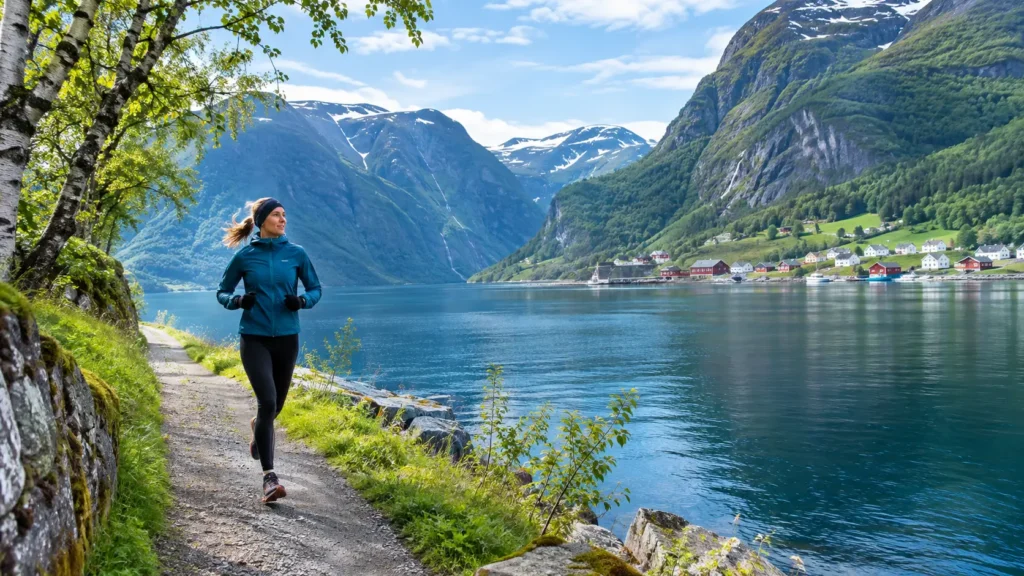
Norway offers distinctive running scenery, including fjords, waterfront communities, forests, and mountainous landscapes.
Travelers can combine relatively gentle local paths with sightseeing and outdoor adventures. Routes differ considerably in elevation and technical difficulty, so careful selection is essential.
Long summer daylight hours can also provide flexibility for outdoor activities, particularly at northern latitudes. However, runners should still verify local weather and trail accessibility.
3. Canadian Rockies, Canada
The Canadian Rockies attract outdoor enthusiasts with alpine lakes, forests, mountain views, and established recreational areas.
Runners can explore appropriate maintained trails and lower-elevation paths while enjoying nearby mountain towns.
Higher-altitude trails may retain snow or experience unstable weather even during warmer months. Wildlife awareness and park regulations are also important.
Before attempting demanding routes, travelers may benefit from reviewing our beginner’s guide to mountaineering.
4. South Island, New Zealand
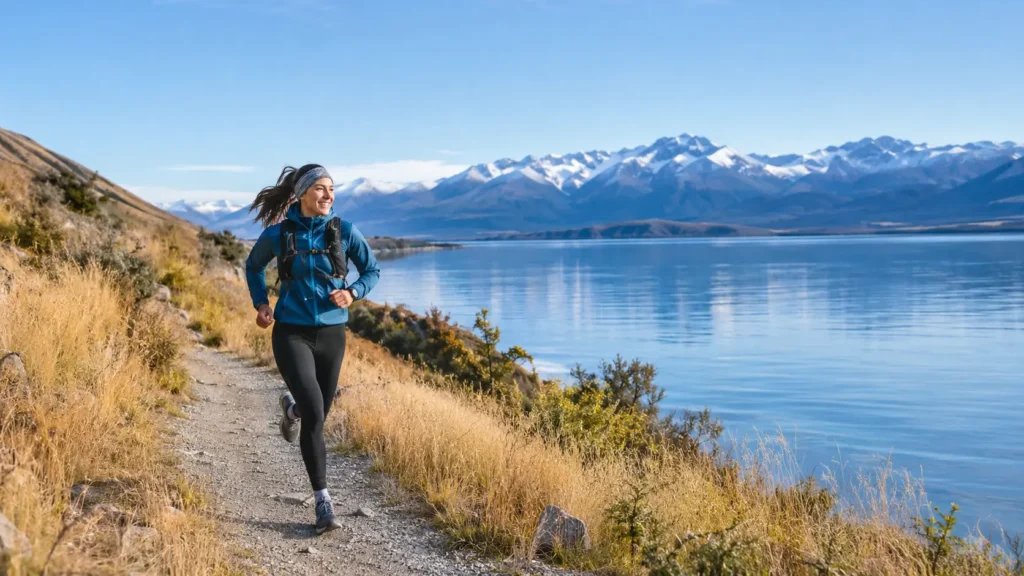
New Zealand’s South Island offers lakeside towns, mountain landscapes, forest paths, and extensive outdoor recreation opportunities.
Travelers should remember that New Zealand’s seasons are opposite those of the Northern Hemisphere. Choosing spring or autumn dates may provide an alternative to peak-summer trips, but weather can be unpredictable.
The New Zealand Department of Conservation recommends checking weather, choosing appropriate routes, carrying suitable equipment, and sharing outdoor plans.
How to Choose the Best Time for Your Running Coolcation
Timing can matter as much as destination.
Instead of booking according to traditional peak tourism seasons, runners can research average temperatures, rainfall, daylight hours, and trail availability for their preferred travel period.
Spring and autumn may offer appealing conditions in some destinations. However, shoulder seasons can also bring rain, snow, storms, and reduced operating hours at mountain facilities.
Choose dates based on the activities you actually want to complete rather than assuming that an entire country will have suitable running weather.
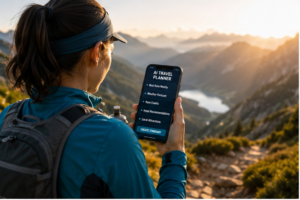
This planning process complements the recommendations in our article about AI-powered adventure travel planning, where technology supports more personalized travel decisions.
Cooler Weather Does Not Eliminate Running Risks
One important misconception is that cooler destinations are automatically safer for outdoor exercise.
Although avoiding extreme heat can reduce certain challenges, runners must still consider environmental hazards such as strong winds, slippery trails, cold rain, snow, and changing mountain conditions.
The Centers for Disease Control and Prevention advises athletes exercising in hot conditions to adjust their activity, stay hydrated, and recognize potential heat-related symptoms.
For American destinations, the National Weather Service heat forecast tools can help travelers assess heat-related conditions before outdoor activities.
Regardless of destination, check local forecasts and trail alerts shortly before departure. Carry appropriate clothing and be willing to change your route when conditions deteriorate.
What to Pack for a Coolcation Running Trip
Cool-climate running requires flexible clothing and practical equipment.
- Layered running clothes: Lightweight garments that can be adjusted as temperatures change.
- Weather-resistant jacket: Protection against wind and rain where appropriate.
- Suitable running shoes: Footwear selected for the expected terrain.
- Hydration supplies: Water and additional supplies appropriate for the route.
- Navigation tools: Downloaded maps and a charged phone or GPS device.
- Basic safety equipment: Emergency contacts, suitable food, and essential personal supplies.
Pack according to the destination’s actual forecast rather than relying solely on seasonal expectations.
A Sample Five-Day Coolcation Running Itinerary
A successful running vacation should balance outdoor activity, sightseeing, and recovery.
Day 1: Arrive and Explore
Settle into your accommodation, familiarize yourself with nearby routes, and enjoy a relaxed walk. Keep activities manageable after traveling.
Day 2: Scenic Morning Run
Choose a comfortable local running route. Spend the afternoon exploring cultural attractions or enjoying a relaxed meal.
Day 3: Nature and Adventure
Visit a nearby forest, lake, or mountain area for an appropriate trail run or hike. Check weather and route conditions before leaving.
Day 4: Recovery and Local Experiences
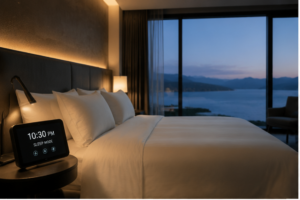
Plan a lighter day with sightseeing, gentle movement, and adequate rest. Our article about sleep tourism and recovery retreats explains how rest can become an intentional part of travel.
Day 5: Final Run and Departure
Enjoy a short run if time and energy allow, then prepare for departure without rushing or overloading the schedule.
Can Coolcation Running Be Sustainable?
Coolcation travel creates opportunities to explore less-crowded destinations and alternative travel seasons, but environmental impact still depends on individual choices.
Long-distance flights, transportation, accommodation, and activities all contribute to a trip’s footprint.
Travelers can consider closer destinations, longer stays, public transportation, locally owned businesses, and responsible outdoor practices.
The Leave No Trace organization provides guidance on responsible outdoor recreation and minimizing environmental impacts.
For additional ideas, read our guide to sustainable travel and responsible exploration.
Can You Combine Coolcation Running With Destination Races?
Absolutely. Runners can research races in locations with historically comfortable conditions during their preferred travel dates.
However, weather varies from year to year, and no destination guarantees ideal race-day temperatures.
Travelers interested in combining races with sightseeing can explore our list of destination races to add to your bucket list.
Final Thoughts
Coolcation running in 2026 offers a fresh perspective on active travel. Instead of automatically choosing the warmest destinations, runners can explore locations and seasons that better match their outdoor interests.
From peaceful Scottish landscapes to New Zealand’s mountain towns, cooler-climate vacations offer opportunities to discover new environments while maintaining an active lifestyle.
The best running vacation is not necessarily the coldest or most challenging. It is one that balances interesting routes, suitable weather, thoughtful preparation, and meaningful experiences.
For runners who love adventure, choosing when and where to travel can become just as important as deciding how far to run.